- Fasting does not automatically make food healthy. A plate of deep fried sabudana vada is still deep fried, and a packet of farali chips is still a packaged snack.
- Healthy fasting is not about eating as little as possible. It is about eating with awareness and reducing excess.
- Potatoes and sabudana are mainly carbohydrate. Pair them with protein, healthy fats and fibre wherever your fasting practice allows, so the day stays balanced rather than heavy.
- Hydration matters as much as the food. Water, coconut water, lemon water or suitable herbal drinks, rather than leaning on tea and coffee because you are eating less.
- Weight that moves over nine days is not the same as fat loss. Sustainable health comes from what you do consistently, not from nine days of restriction followed by old habits.
- Come off the fast gradually. Going from restriction to indulgence overnight is the most common mistake.
Navratri is more than nine days of fasting. It is a time of devotion, discipline, cleansing and turning inward.
Every year, as Navratri approaches, I see many people preparing their list of “fasting foods”—sabudana, potatoes, kuttu, rajgira, fruits, makhana and a variety of packaged farali snacks.
But there is one question I would like you to ask yourself this Navratri:
Am I actually nourishing my body while I am fasting?
Because fasting does not automatically make our food healthy.
A plate of deep-fried sabudana vada is still deep-fried. A packet of farali chips is still a packaged snack. And eating sweets repeatedly throughout the day simply because they are permitted during fasting doesn't necessarily support your health.
I have been fasting myself, and so I can say the intention behind fasting is often to simplify our food and bring greater awareness to our bodies. So why not use these nine days as an opportunity to practise mindful and nourishing eating?
What does healthy fasting really mean?
For me, healthy fasting is not about eating as little as possible.
It is about eating with awareness and reducing excess.
Our bodies continue to need energy, protein, healthy fats, fibre, vitamins and minerals even when our regular diet changes during Navratri.
This is why simply replacing your regular meals with potatoes, sabudana and fried snacks can leave you feeling tired, hungry and bloated.
Instead, think about creating simple, wholesome meals using the foods permitted during your fasting tradition.
Choose natural foods over packaged fasting foods
Today, supermarkets are filled with products labelled “farali” or “vrat-friendly.”
But a fasting label does not necessarily make something nutritious.
Whenever possible, choose foods in their natural or minimally processed form.
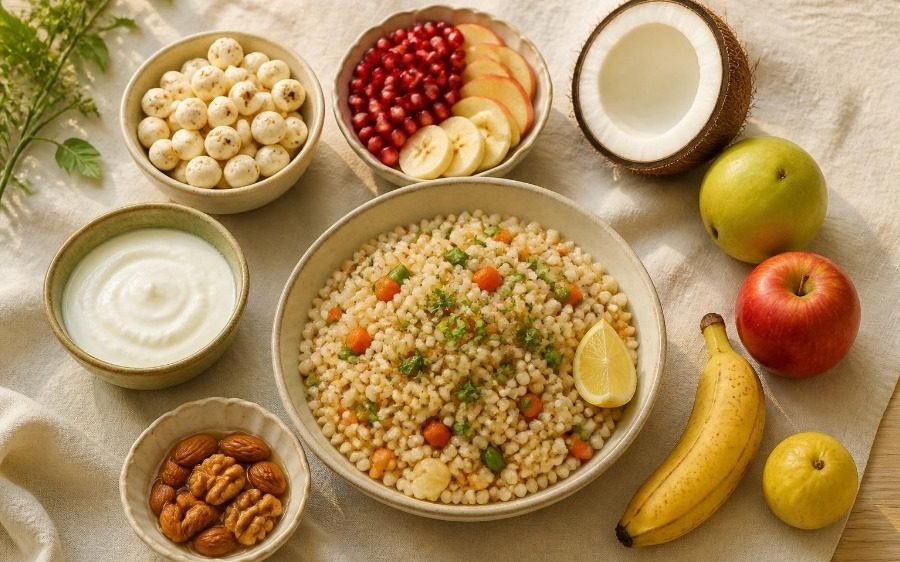
Some nourishing choices can include:
- Fresh seasonal fruits
- Vegetables
- Samak rice
- Rajgira
- Kuttu
- Singhara
- Makhana
- Nuts and seeds
- Coconut
- Homemade curd, where appropriate
- Paneer or other suitable protein sources
Simple home-cooked food is often your best choice.
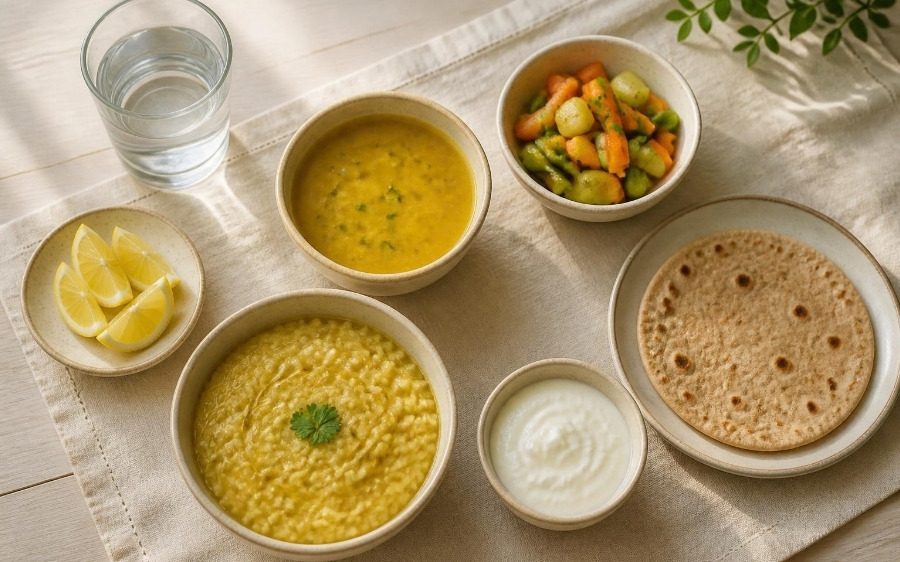
For example, a bowl of homemade samak khichdi with vegetables can be a much more nourishing meal than a plate of deep-fried fasting snacks.
Don't make every meal about potatoes and sabudana
Potatoes and sabudana are popular fasting foods, but they are primarily carbohydrate sources.
When your entire day revolves around them, your meals can become nutritionally unbalanced.
Try pairing carbohydrate-rich foods with sources of protein, healthy fats and fibre wherever your fasting practices allow.
For example, nuts, seeds, dairy or paneer can help make a meal more satisfying.
The idea isn't to remove carbohydrates.
It is to create balance.
Hydration is just as important
When we focus on what we can and cannot eat during fasting, we sometimes forget about something much simpler—water.
Make sure you remain adequately hydrated throughout the day.
Depending on your individual needs and fasting practices, you can include water, coconut water, lemon water or suitable herbal beverages.
Try not to rely excessively on tea or coffee simply because you are eating less.
If you experience persistent dizziness, extreme weakness, palpitations or other concerning symptoms while fasting, don't ignore them. Your health comes first, and you may need to modify your fasting pattern or seek professional advice.
What about weight loss during Navratri?
This is another common misconception.
Fasting should not become a crash diet.
You may notice a change in your weight during Navratri because of changes in food intake, carbohydrate consumption, hydration and digestion. But temporary weight loss does not necessarily mean fat loss.
If your goal is sustainable weight management, the answer is not nine days of restriction followed by returning to old habits.
Sustainable health comes from what you do consistently—not what you do for nine days.
Don't forget your gut
One of the beautiful opportunities during Navratri is to simplify your meals.
When you reduce heavily processed foods, excessive sugar and unnecessary snacking, your digestive system may appreciate the change.
But even healthy foods can cause discomfort when eaten in excess.
Eating too many nuts, too much sabudana, excessive fried food or large quantities of fruit can still leave you feeling heavy or bloated.
So observe your body.
How do you feel after eating?
Do you feel energetic?
Comfortable?
Light?
Or do you feel bloated, acidic and sleepy?
Your body's response is valuable information.
Fasting is also a mental practice
Navratri has always held a deeper meaning for me.
Food is only one part of fasting.
Perhaps these nine days can also be a reminder to reduce the things that constantly consume our mental energy.
Less unnecessary scrolling.
Less negativity.
Less complaining.
Less overthinking.
Less emotional eating.
More silence.
More gratitude.
More prayer.
More awareness.
When we begin to look at wellness holistically, we realise that what we consume is not limited to food.
We also consume thoughts, emotions, conversations and experiences.
And all of them influence how we feel.
How to return to your regular diet after Navratri
One of the most common mistakes is going from restriction to indulgence overnight.
After nine days of fasting, don't suddenly overload your digestive system with heavy, fried and sugary foods.
Instead, gradually return to your usual balanced meals.
Keep your portions moderate.
Eat slowly.
Chew your food well.
Continue drinking enough water.
And give your body some time to transition.
A simple way to approach Navratri fasting
Instead of asking:
“What foods are allowed during fasting?”
Ask yourself three questions:
Is this food nourishing me?
Is this food supporting my digestion?
Am I eating it because I am hungry—or simply because I am fasting?
These questions can completely change the way you experience Navratri.
Fasting should not leave you feeling deprived.
It should help you become more aware.
More aware of your food.
More aware of your body.
More aware of your thoughts.
And perhaps, more aware of yourself.
This Navratri, let your fast be more than a change in your diet.
Let it be a pause.
A reset.
A time to simplify.
And most importantly, a time to nourish yourself naturally.
Wishing you a healthy, mindful and blessed Navratri.
Jinal Vora
Founder, AMAYUSH by Jinal Vora
Nourishing Life Naturally
Frequently asked questions
Is food automatically healthy because it is allowed during a fast?
No. Fasting does not automatically make our food healthy. A plate of deep fried sabudana vada is still deep fried, and a packet of farali chips is still a packaged snack. Eating sweets repeatedly through the day simply because they are permitted during fasting does not necessarily support your health either.
What should I eat during Navratri instead of packaged farali snacks?
Choose foods in their natural or minimally processed form wherever possible: fresh seasonal fruits, vegetables, samak rice, rajgira, kuttu, singhara, makhana, nuts and seeds, coconut, homemade curd where appropriate, and paneer or other suitable protein sources. A bowl of homemade samak khichdi with vegetables is a far more nourishing meal than a plate of deep fried fasting snacks.
Why do I feel tired and bloated while fasting?
Often because the day revolves around potatoes, sabudana and fried snacks, which are primarily carbohydrate sources, so meals become nutritionally unbalanced. Even healthy foods can cause discomfort in excess, whether that is too many nuts, too much sabudana or large quantities of fruit. Pairing carbohydrate rich foods with protein, healthy fats and fibre wherever your fasting practices allow helps the day stay balanced.
What should I drink while fasting?
Make sure you remain adequately hydrated through the day. Depending on your individual needs and fasting practices, that can include water, coconut water, lemon water or suitable herbal beverages. Try not to rely excessively on tea or coffee simply because you are eating less.
Is Navratri a good time to lose weight?
Fasting should not become a crash diet. Weight may change during Navratri because of changes in food intake, carbohydrate consumption, hydration and digestion, but temporary weight loss does not necessarily mean fat loss. Sustainable health comes from what you do consistently, not from nine days of restriction followed by a return to old habits.
How should I return to normal food after the nine days?
Gradually. Going from restriction to indulgence overnight is one of the most common mistakes, so do not suddenly overload your digestive system with heavy, fried and sugary foods. Return to your usual balanced meals, keep portions moderate, eat slowly, chew well, keep drinking enough water and give your body time to transition.
When should I stop fasting and seek advice?
If you experience persistent dizziness, extreme weakness, palpitations or other concerning symptoms while fasting, do not ignore them. Your health comes first, and you may need to modify your fasting pattern or seek professional advice.
This article is general nutrition education, not a diagnosis or a prescription. Nothing here replaces your treating doctor, and no medication should be changed without them. Last reviewed by Jinal Vora on 04 Nov 2026.
Not sure how this applies to your reports?
An article can point at the pattern. A consultation reads your body, your history and your day, and tells you what to change first.
Book Your First Consultation
Jinal Vora
Clinical nutritionist and founder of AMAYUSH. Jinal works on the root cause behind diabetes, thyroid, PCOD, gut health and stress, using vegetarian and Jain friendly food that fits the life you already have.
More About Jinal