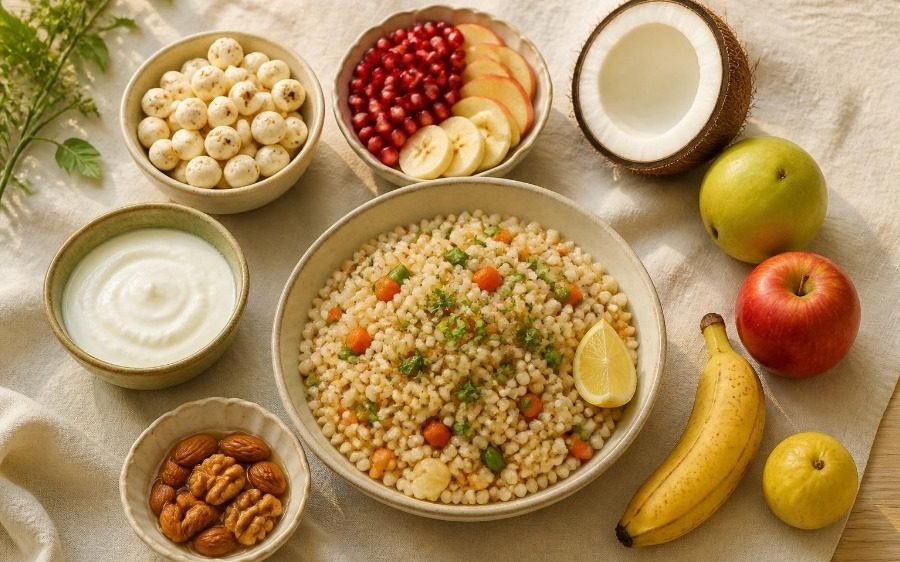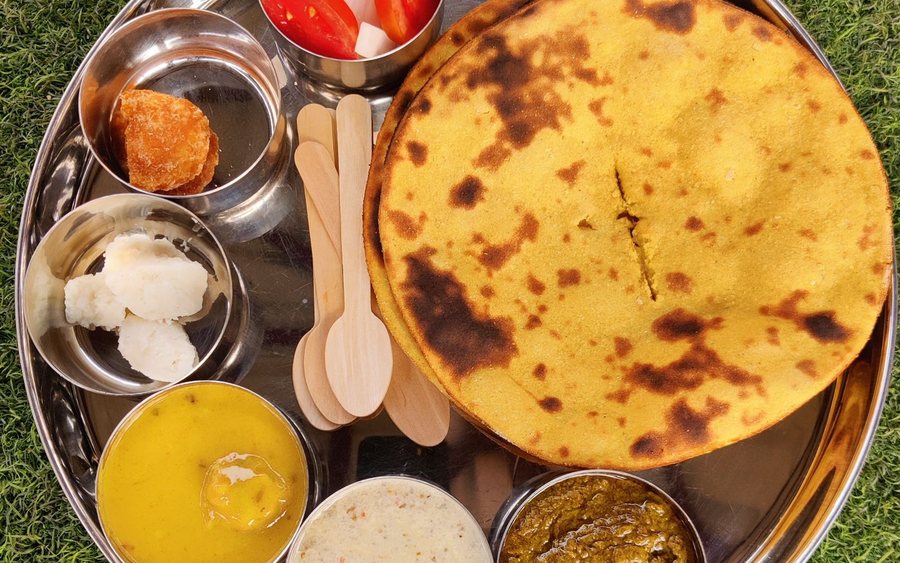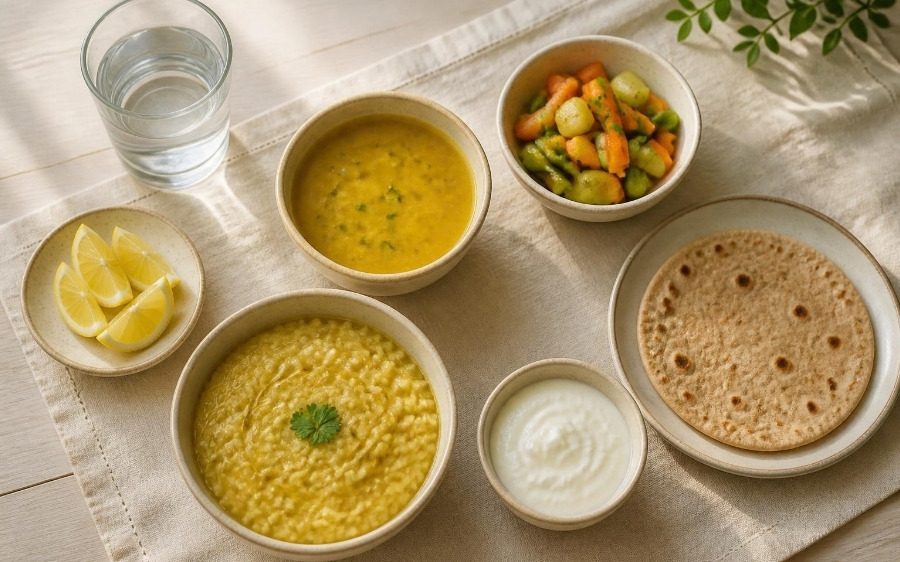
- Your first meal after the fast does not need to be a feast. Something simple, fresh and easy to digest, in a comfortable portion rather than eating until completely full.
- Bring foods back over a few days rather than all on the same day. Your body does not need a shock, it needs a transition.
- The craving for sweets, fried snacks and restaurant food is strongest right after the fast. Enjoying something occasionally is fine, making the first meal a combination of everything is not.
- Do not eat to compensate for what you missed. Eat according to your hunger, not according to what you feel you deserve after fasting.
- Watch for bloating, acidity, constipation, loose motions or heaviness in the first few days, and reduce the quantity and complexity of meals if they appear.
- The real benefit is carrying the awareness forward: more mindful eating, less packaged food, better hydration, and not needing to snack every two hours.
After nine days of fasting, one of the biggest mistakes we can make is to suddenly go back to our regular diet—or worse, celebrate with a heavy, elaborate meal.
I have seen this happen quite often. We wait for Navratri to get over and suddenly want everything we have been avoiding!
But remember, your digestive system has been following a different routine for several days. Give it some time to adjust.
Don't rush into a heavy meal
Your first meal after the fast doesn't need to be a feast.
Start with something simple, fresh and easy to digest.
You could begin with:
- A light homemade meal
- Cooked vegetables
- Dal or a light protein source
- Rice or roti in a moderate portion
- A simple khichdi
- Homemade curd, if it suits you
Keep the portion comfortable rather than eating until you feel completely full.
Bring foods back gradually
If you have avoided certain foods during Navratri, don't bring everything back into your diet on the same day.
Start returning to your normal routine gradually.
For example, instead of having a very heavy meal containing fried food, sweets, rich gravies and several other foods together, keep the first couple of meals relatively simple.
Your body doesn't need a shock. It needs a transition.
Be careful with fried foods and sweets
This is probably the hardest one!
After several days of fasting, there can be a strong craving for sweets, fried snacks and restaurant food.
Enjoying something occasionally is absolutely fine. But avoid making your first meal a combination of everything you have been craving.
Too much rich food at once can leave you feeling bloated, sluggish or uncomfortable.
Don't overeat just because the fast is over
This is an important one.
During fasting, your hunger cues and meal pattern may have changed. So when you return to your regular diet, don't assume you need to compensate for the food you missed.
Eat according to your hunger, not according to what you think you “deserve” after fasting.
Continue with good hydration
Keep drinking enough water as you return to your regular routine.
Don't suddenly replace water with multiple cups of tea, coffee, juices or festive drinks.
Simple hydration is still one of the best things you can do for your body.
Give your digestion some support
For the first few days, pay attention to how your body responds.
If you notice bloating, acidity, constipation, loose motions or heaviness, don't ignore it.
Reduce the quantity and complexity of your meals and give your digestive system some time to settle.
And most importantly—don't turn Navratri into a cycle of restriction and overeating
This is something I strongly believe in.
Fasting should not be followed by a period of indulgence.
The real benefit comes when you carry some of the awareness you developed during these nine days into your everyday life.
Maybe you ate more mindfully.
Maybe you reduced packaged food.
Maybe you became more aware of your hunger.
Maybe you drank more water.
Maybe you learnt that you actually don't need to snack every two hours.
Take those habits with you.
Navratri may last nine days, but the awareness you develop during those nine days can stay with you much longer.
And that's when fasting becomes more than a ritual—it becomes a small step towards a healthier lifestyle.
Frequently asked questions
What should I eat for the first meal after a Navratri fast?
Something simple, fresh and easy to digest rather than a feast. A light homemade meal, cooked vegetables, dal or another light protein source, rice or roti in a moderate portion, a simple khichdi, and homemade curd if it suits you. Keep the portion comfortable rather than eating until you feel completely full.
How quickly can I go back to my normal diet?
Gradually, over a few days rather than all at once. If you have avoided certain foods during Navratri, do not bring everything back on the same day. Instead of a heavy meal combining fried food, sweets and rich gravies, keep the first couple of meals relatively simple. Your body does not need a shock, it needs a transition.
Can I eat sweets and fried food after the fast?
Enjoying something occasionally is absolutely fine. The problem is making the first meal a combination of everything you have been craving, because too much rich food at once can leave you feeling bloated, sluggish or uncomfortable. The craving is strongest right after several days of fasting, which is exactly when it is worth being deliberate.
Should I eat more to make up for the days I fasted?
No. During fasting your hunger cues and meal pattern may have changed, so do not assume you need to compensate for the food you missed. Eat according to your hunger, not according to what you think you deserve after fasting.
I feel bloated and heavy after breaking my fast. What should I do?
Pay attention to how your body responds over the first few days. If you notice bloating, acidity, constipation, loose motions or heaviness, do not ignore it. Reduce the quantity and complexity of your meals and give your digestive system some time to settle.
What is the lasting benefit of fasting for nine days?
It is the awareness rather than the restriction. Perhaps you ate more mindfully, reduced packaged food, became more aware of your hunger, drank more water, or learnt that you do not actually need to snack every two hours. Navratri lasts nine days, but those habits can stay much longer, and that is when fasting becomes a step towards a healthier lifestyle rather than a ritual.
This article is general nutrition education, not a diagnosis or a prescription. Nothing here replaces your treating doctor, and no medication should be changed without them. Last reviewed by Jinal Vora on 02 Nov 2026.
Not sure how this applies to your reports?
An article can point at the pattern. A consultation reads your body, your history and your day, and tells you what to change first.
Book Your First Consultation
Jinal Vora
Clinical nutritionist and founder of AMAYUSH. Jinal works on the root cause behind diabetes, thyroid, PCOD, gut health and stress, using vegetarian and Jain friendly food that fits the life you already have.
More About Jinal