- Reversal means your blood sugar sits in a healthy range without medication doing the work. It is not a cure, and it holds only while the habits hold.
- A vegetarian plate contains everything reversal needs. The obstacle is refinement, portion order and timing, never the absence of meat.
- Vegetables first, protein second, grain last. The same meal, reordered, produces a visibly flatter sugar curve.
- Fasting numbers usually move in six to ten weeks. HbA1c, which averages three months, follows after that.
- Medication comes down with your treating doctor and their reports, never on your own reading of one good week.
This question arrives in almost every first consultation, usually in the same careful voice, and it deserves an honest answer rather than a hopeful one. Yes, type 2 diabetes can be put into remission on a fully vegetarian diet, and I have watched it happen in Jain kitchens with no onion, no garlic and no root vegetables. What it takes is not a heroic diet. It is a change in what the plate is built around, the order you eat it in and the gaps between meals.
What reversal actually means
Reversal, or remission, means your fasting sugar and your HbA1c sit in a healthy range because of how you eat, move and sleep, rather than because a tablet is holding them there. Doctors usually look for an HbA1c under 6.5 per cent sustained for at least three months without glucose lowering medication.
What it does not mean is that the condition never existed. Your body still handles carbohydrate differently from someone who never developed insulin resistance. Go back to the old plate for six months and the old numbers come back. That is not failure, and it is not proof the effort was wasted. It is simply how remission works. Understanding this at the start protects you from the crushing disappointment that comes when someone believes they have been cured and then finds themselves back at the lab.
There is also a middle result that nobody talks about enough. Many people do not reach full remission but move from three medicines to one, from insulin to tablets, from an HbA1c of 9.4 to 6.8. That is a genuinely different life with genuinely lower risk to the eyes, kidneys and nerves. It is worth having even when the word reversal does not apply.
Why a vegetarian diet is not the obstacle
Most international reversal research uses low carbohydrate or high protein patterns and the assumption underneath is that protein arrives from meat, fish and eggs. This is where Indian vegetarians get quietly written off, and it is wrong. A vegetarian plate is not short of anything that blood sugar control requires.
Where the protein actually comes from
Protein slows gastric emptying, blunts the sugar rise from the carbohydrate eaten alongside it and preserves the muscle that pulls glucose out of your blood. On a vegetarian plate it comes from moong, chana, masoor, rajma, chowli, paneer, tofu, curd, milk, peanuts, almonds and pumpkin, sunflower and melon seeds. None of that is exotic and none of it is expensive.
The gap I see is almost never availability. It is that dal is served as a thin accompaniment to a large plate of rice, and curd is a spoon on the side rather than a bowl. Move protein to the centre of the plate and the same kitchen produces a completely different metabolic result.
The carbohydrate problem is refinement, not rice
People arrive convinced that rice is the villain and that roti is safe. In practice a large roti made from finely milled flour and a modest bowl of rice eaten after vegetables and dal behave more similarly than anyone expects. What consistently drives sugars up is refinement and volume: maida in biscuits, bread, khakhra, farsan and bakery items, sugar hiding in the tea, the sherbet, the chyawanprash and the ready masala, and portions of grain that fill two thirds of the plate.
Whole grains, eaten in a fist sized portion at the end of the meal, are not the problem. Millets such as bajra, jowar, ragi and nachni bring fibre and minerals alongside their starch and are worth rotating in, but they are not magic. A large portion of ragi bhakri still raises sugar. The portion matters more than the grain.
The plate order that flattens your sugar curve
If you change nothing else this week, change the sequence. Eat your vegetables or salad first, your protein second and your grain last. The food is identical. The curve is not.
Fibre arrives first and forms a mesh that slows everything behind it. Protein and fat arrive next and slow gastric emptying further. By the time the carbohydrate reaches your small intestine it is being released gradually instead of dumping into your blood in one wave. Clients using a continuous glucose monitor see the difference on the same meal within a day, and it is often the single most persuasive thing that happens in the first month.
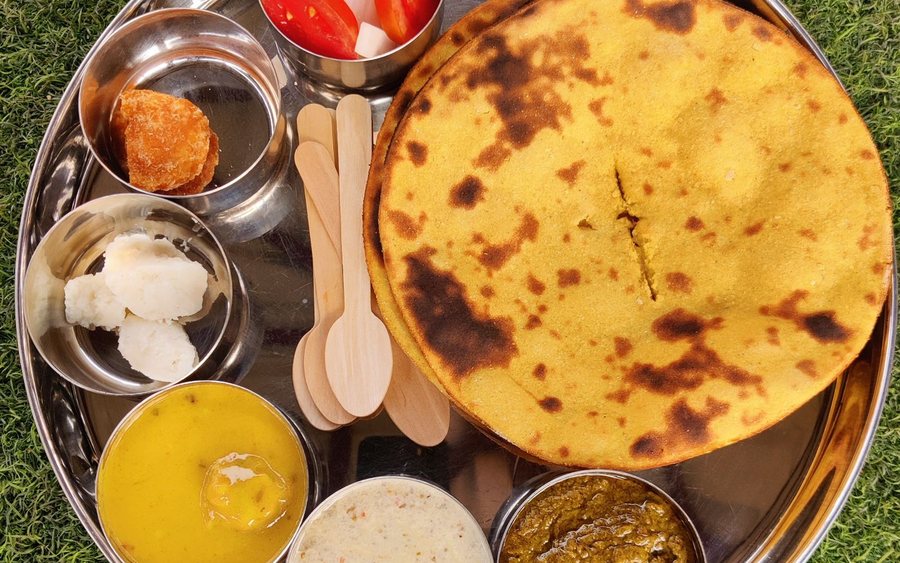
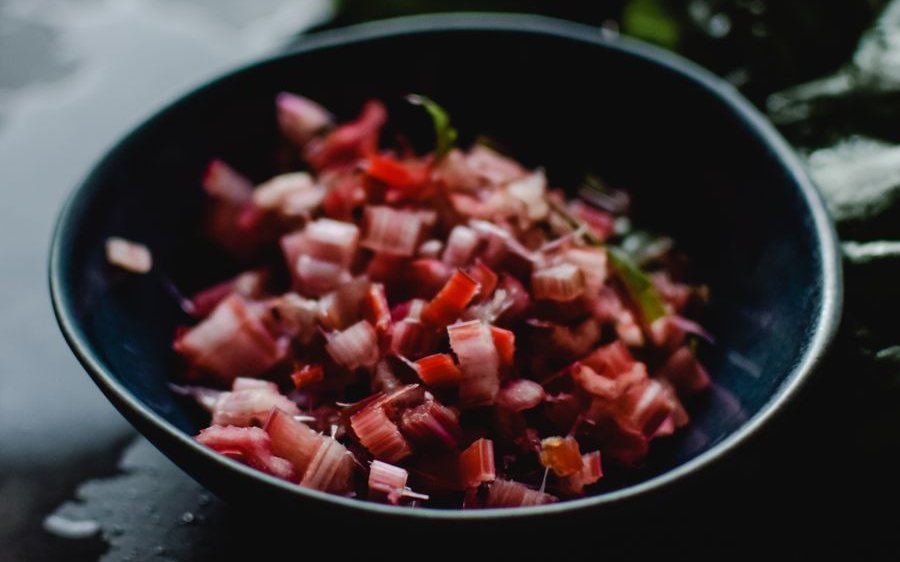
A practical version: keep a bowl of cucumber, tomato, carrot where permitted, or a simple salad on the table before the thali arrives. Eat it. Then the dal, the paneer or the curd. Then the roti or rice.
A day that holds blood sugar steady
Morning
Start with water and something that carries protein rather than something that carries only starch. Moong chilla, besan chilla, paneer bhurji, vegetable oats with curd, or idli with sambar and an extra bowl of sambar dal all work. Poha and upma alone, eaten in a large portion with tea on the side, are where a lot of good intentions quietly fail.
Mid morning
If you are hungry, a handful of soaked almonds and walnuts, a bowl of curd or one fruit eaten whole. Fruit is not banned. Fruit juice, which removes the fibre and leaves the sugar, effectively is.
Lunch
Salad or a cooked vegetable first, then a real serving of dal, rajma, chana or paneer, then one or two rotis or a small bowl of rice. Curd or chaas closes it. This is a normal Indian lunch. The only change is the proportion and the order.
Evening
This is the hour most sugar control is lost. Tea with three biscuits, or chivda, or a wafer packet, at five in the evening on an empty stomach produces one of the sharpest spikes of the day. Replace it with roasted chana, a small bowl of sprouts, peanuts, or paneer cubes with black pepper.
Dinner
Lighter than lunch, and earlier than you currently eat it. Aim to finish by eight in the evening, or at least three hours before you sleep. Vegetables, a protein and a small grain. Eating late, then lying down, keeps sugar elevated through the night and shows up in your fasting reading the next morning even though you did nothing wrong at breakfast.
The four habits that undo good food
- Long gaps followed by large meals. Skipping lunch and eating an enormous dinner produces a bigger spike than three balanced meals containing the same total food.
- Liquid sugar. Tea and coffee with sugar several times a day, packaged juice, sherbet, flavoured yoghurt and health drinks marketed to diabetics. Read the label on anything sold as a health drink.
- Sitting still after eating. Ten to fifteen minutes of slow walking after lunch and dinner lowers the post meal peak measurably. It does not need to be exercise. It needs to be movement.
- Short sleep and unmanaged stress. Both raise cortisol, and cortisol raises blood sugar directly. A person sleeping five hours a night has made their own diet plan harder to succeed at. This is the piece most plans ignore, and it is often the piece that finally moves a stubborn fasting number.
What the numbers should do, and by when
Fasting sugar is the first to move, usually within six to ten weeks. Post meal readings often improve faster than that, sometimes within the first fortnight, because the plate order changes immediately. HbA1c is an average of roughly three months, so it cannot move quickly by definition. Read it at three months and again at six.
Weight, where it is relevant, tends to come off around the waist first. Fasting insulin and triglycerides, if you test them, often improve before the scale does. Energy, sleep and the afternoon crash usually change in the first three weeks, which is what keeps people going while they wait for the lab to catch up.
When full reversal is unlikely
Being honest about this matters. Remission is less likely when diabetes has been present for more than ten years, when insulin has been needed for a long time, or in type 1 diabetes, which is autoimmune and is not reversible by diet at all. In those cases the goal changes: steadier readings, fewer hypoglycaemic episodes, lower medication where the doctor agrees, protected kidneys and eyes, and better energy. Every one of those is worth the work.
Where to start this week
Do not rebuild your entire kitchen. Pick these three, keep them for fourteen days and watch what happens:
- Eat vegetables first and grain last at both main meals.
- Put a real protein into breakfast and into your evening tea time.
- Walk for ten minutes after lunch and after dinner.
If you have been told this condition is permanent and only ever progressive, it is worth having one honest conversation before you accept that. Bring your last two reports and we will read them together in your first consultation, or see how a full plan works in the one to one program.
Frequently asked questions
Is diabetes reversal the same as a cure?
No. Reversal, or remission, means your blood sugar sits in a healthy range without glucose lowering medication holding it there. Your body still handles carbohydrate differently from someone who never developed insulin resistance, so remission holds only while the eating, movement and sleep habits hold.
Do I have to give up rice and roti completely?
No. What raises sugar sharply is refined flour, sugar in drinks and snacks, and large portions of grain eaten first. A fist sized portion of rice or one to two rotis, eaten after your vegetables and your protein, behaves very differently from the same food eaten first on an empty stomach.
Can a Jain diet without onion, garlic and root vegetables still reverse diabetes?
Yes. None of the restricted foods are required for blood sugar control. Protein comes from moong, chana, paneer, curd, peanuts and seeds, and flavour comes from asafoetida, cumin, coriander, curry leaves and a proper tempering. I have taken clients on strict Jain diets to remission without a single exception being made.
How much protein does a vegetarian with diabetes need?
Most adults do well between 1 and 1.2 grams for each kilogram of body weight, adjusted down if kidney function is impaired. In practice that means a real protein at every meal rather than dal as a thin side dish, and it always needs to be set by your nutritionist against your own reports.
Will eating fruit spike my blood sugar?
Whole fruit eaten in a single portion, ideally after a meal or with a few nuts, rarely causes a problem. Fruit juice does, because juicing removes the fibre and leaves the sugar. Very ripe banana, chikoo, mango and grapes need portion care. Guava, jamun, papaya, apple and pear are easier.
How soon can I reduce my medication?
Only your treating doctor decides that, and only on the strength of your readings and reports. Reducing or stopping medication on your own after one good week is genuinely dangerous. Bring the improved numbers to your doctor and let the dose follow the evidence.
This article is general nutrition education, not a diagnosis or a prescription. Nothing here replaces your treating doctor, and no medication should be changed without them. Last reviewed by Jinal Vora on 28 Aug 2026.
Not sure how this applies to your reports?
An article can point at the pattern. A consultation reads your body, your history and your day, and tells you what to change first.
Book Your First Consultation
Jinal Vora
Clinical nutritionist and founder of AMAYUSH. Jinal works on the root cause behind diabetes, thyroid, PCOD, gut health and stress, using vegetarian and Jain friendly food that fits the life you already have.
More About Jinal