- A Jain diet removes two useful things: two flavour bases and a group of prebiotic fibres. Both have direct replacements.
- The real gap in most Jain plates is protein, and it shows up as fatigue, hair fall and weight that will not move.
- Iron, vitamin B12 and vitamin D run low often enough that they are worth testing rather than assuming.
- Asafoetida, cumin, coriander, ginger where permitted and a proper tempering do the work onion and garlic were doing.
- Fasting periods do not have to cost you your progress if the meals around them are built properly.
Most nutrition advice quietly assumes you will eat anything put in front of you. When you follow a Jain diet, that assumption breaks on the first line of the plan, and you are left feeling you must choose between your health and your values.
You should never have to make that choice. In more than a decade of practice I have taken clients on strict Jain diets to balanced blood sugar, regulated cycles and healed guts without asking for a single exception. What changes is the plan. What never changes is the principle.
What a Jain diet actually restricts
The core exclusions are onion, garlic and root or underground vegetables including potato, sweet potato, carrot, beetroot, radish, ginger in stricter households, turmeric root, yam and groundnut in some families. Many households also avoid fermented foods, food cooked the previous day, honey, and eating after sunset. Practice varies considerably between families, and a plan that ignores your family's specific line is a plan you will not follow.
Strip away the assumptions and only two nutritionally meaningful things have actually been removed: a couple of flavour bases, and a group of prebiotic fibres. Everything else is still fully available.
Replacing what is missing
Flavour without onion and garlic
Onion and garlic were doing two jobs, sweetness and depth. Both can be rebuilt. A generous pinch of asafoetida bloomed in hot ghee or oil gives you the savoury base. Cumin and coriander seed, roasted and ground fresh, carry warmth. Curry leaves, green chilli, dried red chilli, black pepper, ajwain and fennel add the layers. A slow tempering of tomato until the oil separates gives the body a masala usually gets from onion. Cabbage and bottle gourd cooked slowly bring quiet sweetness.
The mistake I see is not a lack of ingredients. It is rushing the tempering. Give the spices thirty seconds longer in the hot fat than feels necessary and the depth arrives.
Prebiotic fibre without root vegetables
Prebiotic fibre is what your gut bacteria eat, and onion, garlic and roots are conventional sources. Without them you need deliberate replacements, and they exist in ordinary Jain kitchens: raw banana, plantain, oats, barley, soaked flaxseed, soaked methi seeds, chia, cooked and cooled rice, cooked and cooled poha, bottle gourd, ridge gourd, cluster beans, cabbage, and slightly under ripe banana.
Cooling cooked rice deserves a line of its own. When rice is cooked and then cooled, a portion of its starch converts to resistant starch, which behaves like fibre and feeds the gut rather than spiking your sugar. Reheating gently keeps most of that benefit. For families who avoid previous day food this will not apply, and there is enough elsewhere on the list to work with.
The protein gap in most Jain plates
This is where Jain diets genuinely fall short, and it is almost always the reason someone arrives exhausted with thinning hair and weight that will not move.
The available protein is not the problem. Moong, chana, masoor, rajma, chowli, tuvar, paneer, curd, milk, tofu, peanuts where permitted, almonds, walnuts, pumpkin seeds, sunflower seeds and melon seeds are all Jain friendly. The problem is that these appear as a small side bowl next to a plate dominated by roti and rice.
What a day of Jain protein looks like
- Breakfast. Moong dal chilla, besan chilla, paneer bhurji with asafoetida and cumin, or thick curd with soaked seeds. Not tea and khakhra.
- Mid morning. A handful of soaked almonds and walnuts, or a bowl of chaas.
- Lunch. A full bowl of dal or a sabzi built on paneer, chana or rajma, eaten before the roti rather than with it.
- Evening. Roasted chana, sprouted moong chaat with tomato and lemon, or paneer cubes with black pepper.
- Dinner. Lighter, but still protein bearing. Moong dal khichdi with curd works, provided the dal to rice ratio is closer to equal than to one to four.
Most people do well on roughly 1 gram of protein for each kilogram of body weight, adjusted down where kidney function is impaired. That is a number to set with your nutritionist against your own reports, not from an article.
The three nutrients that quietly run low
These are worth testing rather than assuming, because all three produce vague symptoms that get blamed on stress for years.
- Vitamin B12. Genuinely difficult on a plant based diet without dairy, and common even with dairy. Low B12 looks like fatigue, tingling in the hands and feet, poor concentration and low mood. Curd and milk help. Most people who test low need supplementation, and that is a medical decision, not a food one.
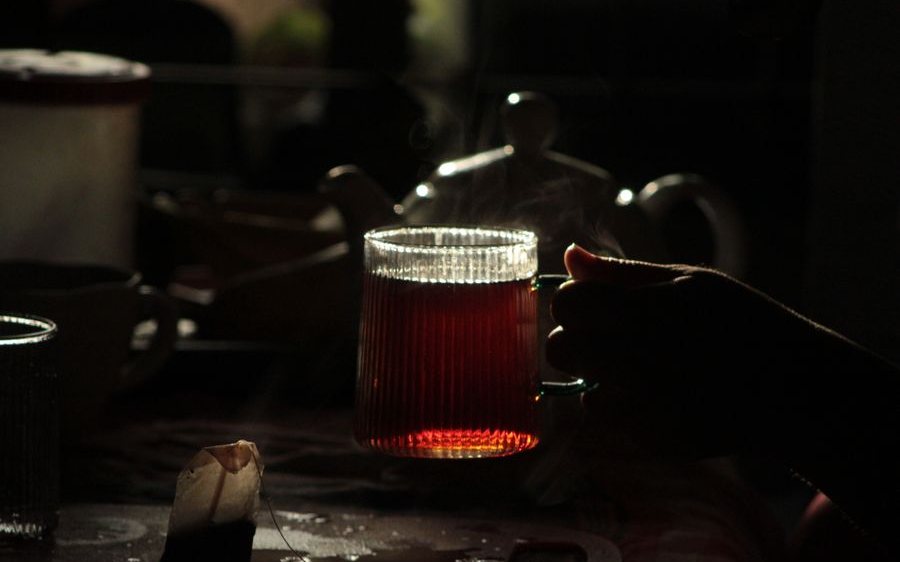
- Iron. Plant iron is absorbed less efficiently than iron from meat, and tea or coffee taken with meals blocks it further. Pair iron rich foods such as dal, sesame, jaggery where permitted, poha and green leafy vegetables with vitamin C from lemon, tomato, amla or guava, and keep tea at least an hour away from meals.
- Vitamin D. Low almost everywhere in urban India regardless of diet. It affects mood, immunity, bone health and insulin sensitivity. Test it, correct it under supervision and retest.
Eating through paryushan and fasting periods
Fasting is not something to work around resentfully. It is part of the year, and a well built plan simply accounts for it.
What protects you is the meal on either side. Load the pre fast meal with protein, healthy fat and fibre so it releases slowly, rather than with sweets and refined flour that leave you hollow within two hours. Hydrate properly in the permitted window. Break the fast with something gentle and protein bearing, such as warm moong soup, curd or a small khichdi, rather than with fried farsan on an empty stomach, which is what tends to produce the headache and the crash people blame on fasting itself.
If you are on medication for diabetes, thyroid or blood pressure, the timing of both the medicine and the fast needs to be discussed with your doctor before the fasting period starts, not during it.
Building a Jain plate for a specific condition
Blood sugar
Vegetables first, dal or paneer second, grain last. Keep grain to a fist sized portion. Replace the evening biscuit with roasted chana. Millets such as bajra and jowar rotate in well. None of this requires anything you avoid.
Thyroid and PCOD
Protein at every meal is the lever that matters most, alongside sleep and stress. Sesame, pumpkin seeds and dairy support the minerals involved. Where soy is eaten, keep it moderate and away from thyroid medication by at least four hours. Cruciferous vegetables such as cabbage and cauliflower are fine when cooked.
Gut health and bloating
Introduce the prebiotic foods slowly. A gut that has lived on low fibre for years will protest if you hand it three new fibres at once. Soak and pressure cook legumes properly, add ajwain and asafoetida to the tempering, and build up over three to four weeks rather than three days.
What changes, and what never does
A good Jain plan changes the proportion of your plate, the order you eat it in, the timing of your meals and the specific replacements you use for what has been removed. It does not ask you to make an exception, to eat after sunset if your family does not, or to treat your practice as an inconvenience to be negotiated.
If you have been told your diet is the reason nothing is improving, that is a failure of the plan, not of your values. Bring your reports to a first consultation and we will build the plan around the way you actually eat.
Frequently asked questions
Can a Jain diet give me enough protein?
Yes. Moong, chana, masoor, rajma, chowli, paneer, curd, milk, tofu, almonds, walnuts and pumpkin, sunflower and melon seeds are all available. The usual gap is not availability but proportion: protein is served as a small side bowl next to a large plate of grain. Make it the centre of the plate and the numbers change.
How do I get prebiotic fibre without onion, garlic and root vegetables?
Raw banana, plantain, oats, barley, soaked flaxseed, soaked methi seeds, chia, bottle gourd, ridge gourd, cluster beans, cabbage, slightly under ripe banana and cooled cooked rice all carry prebiotic fibre or resistant starch. Introduce them gradually over three to four weeks so the gut adjusts.
What replaces onion and garlic for flavour?
Asafoetida bloomed in hot ghee or oil gives the savoury base. Freshly roasted and ground cumin and coriander carry warmth, curry leaves, green chilli, black pepper, ajwain and fennel add layers, and tomato cooked slowly until the oil separates gives body. Give the tempering longer than feels necessary and the depth arrives.
Which deficiencies should someone on a Jain diet test for?
Vitamin B12, iron with ferritin, and vitamin D are the three worth testing rather than assuming. All three produce vague fatigue that tends to get blamed on stress for years. Correction is a medical decision to make with your doctor alongside the food changes.
Will fasting during paryushan undo my progress?
Not if the meals on either side are built properly. Make the pre fast meal protein, fat and fibre rich rather than sweet and refined, hydrate in the permitted window, and break the fast with something gentle such as moong soup, curd or a small khichdi rather than fried farsan on an empty stomach.
Is a Jain diet safe for diabetes and thyroid?
Yes, and both respond well to it. Blood sugar responds to plate order, portion of grain and protein at every meal, none of which require restricted foods. Thyroid needs consistent protein and a four hour gap between soy and thyroid medication. Neither condition needs an exception to be made.
This article is general nutrition education, not a diagnosis or a prescription. Nothing here replaces your treating doctor, and no medication should be changed without them. Last reviewed by Jinal Vora on 28 Aug 2026.
Not sure how this applies to your reports?
An article can point at the pattern. A consultation reads your body, your history and your day, and tells you what to change first.
Book Your First Consultation
Jinal Vora
Clinical nutritionist and founder of AMAYUSH. Jinal works on the root cause behind diabetes, thyroid, PCOD, gut health and stress, using vegetarian and Jain friendly food that fits the life you already have.
More About Jinal