 Jinal Vora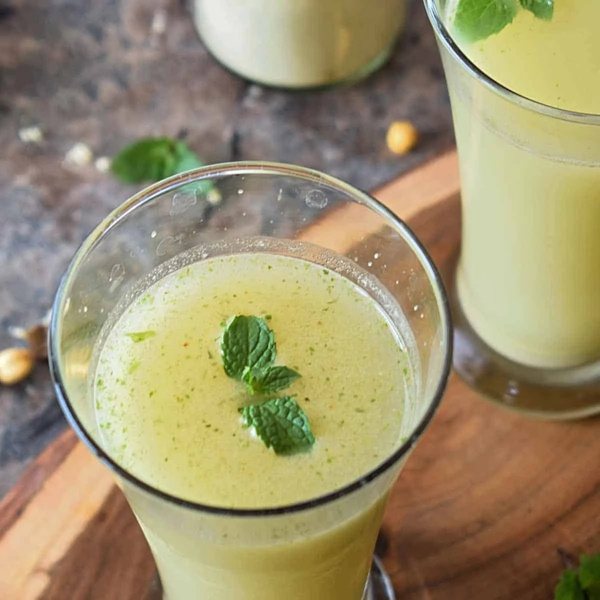
- Prep5 minutes
- CookNo cooking
- MakesServes 1
- Protein5 g
- Energy83 kcal
Method
- Mix Put the sattu into a glass and add a little water first, stirring to a smooth paste so it does not lump.
- Loosen Add the rest of the water gradually, stirring as you go, then the lemon juice and salt.
- Serve chilled.
Paste first, then water. Tipping all the water in at once gives you lumps you will not stir out. Scale it up. Two tablespoons gives 5 g of protein, which is a light drink. Four tablespoons in the same glass makes it a genuine post workout option at around 10 g.
Why this works
Long before anybody in an Indian city bought a tub of whey, labourers in Bihar and eastern Uttar Pradesh drank sattu through the summer because it was cheap, it did not spoil, and it kept them working. It remains one of the most sensible protein sources in the country and one of the most overlooked.
What sattu actually is
Roasted Bengal gram, ground to a flour. That is the whole of it. Because the gram is roasted rather than raw, it can be eaten mixed with cold water without any cooking, which is exactly the property that made it a working person's food.
It carries around 23 g of protein and close to 18 g of fibre per 100 g, along with iron and magnesium. Against a commercial protein powder it is less concentrated. Against almost anything else you can mix into a glass in two minutes, it is remarkable.
Be clear about the quantity
Two tablespoons is roughly 20 g of sattu, giving around 5 g of protein. That is a light, cooling drink, not a protein shake, and the recipe as written is honest about that.
If you want it to do more, use four tablespoons in the same glass. That takes it to about 10 g of protein and makes it a reasonable option after exercise, at a fraction of the cost of anything sold in a tub.
Mixing it without lumps
Sattu clumps the moment it meets a large volume of water. The method is the same as any flour based drink: put the sattu in the glass, add a few spoons of water, and work it into a smooth paste with the back of a spoon before adding the rest gradually.
Do this and it dissolves cleanly. Skip it and you will be chasing lumps around the glass for the rest of the drink.
Salt or sweet
The savoury version here, with lemon and salt, is the traditional summer drink and the more useful one nutritionally. The salt replaces what you lose sweating, and the lemon improves iron absorption from the gram.
A sweet version with jaggery exists and is popular, and it turns a 83 calorie drink into something considerably heavier. Keep the savoury one as your default.
Who it suits
It is dairy free, gluten free, needs no cooking and costs very little, which makes it useful in a great many situations. It is a genuinely good option for anyone struggling to get protein without dairy, and for older clients who find a full meal difficult in hot weather.
People with a very sensitive gut sometimes find gram flour gassy in quantity. Start with two tablespoons and see how you do before scaling up.
Frequently asked questions
How much protein is in a sattu drink?
About 5 g for two tablespoons, which is the quantity in this recipe. Sattu is roughly 23 per cent protein by weight, so doubling to four tablespoons gives around 10 g and turns it into a reasonable post workout drink.
Why does my sattu go lumpy?
Because all the water went in at once. Put the sattu in the glass first, add a few spoons of water and work it into a smooth paste with the back of a spoon, then add the rest gradually while stirring.
Is sattu better than protein powder?
It is far less concentrated, so gram for gram a whey or plant isolate delivers more protein. Sattu is whole food, carries fibre, iron and magnesium alongside the protein, and costs a fraction as much. For most people it is the more sensible daily option.
Should I have it sweet or salty?
The savoury version with lemon and salt is traditional for summer and the better choice nutritionally. The salt replaces what you lose sweating and the lemon improves iron absorption. The jaggery version is considerably heavier.
Can I drink it every day?
Most people can, and many in eastern India do through the summer. If you have a sensitive gut, gram flour can feel gassy in quantity, so start at two tablespoons and build up.
This recipe is general nutrition education, not a prescription. Portions and ingredients may need adjusting for kidney disease, allergies or a condition you are being treated for. Reviewed by Jinal Vora.
Cook next
More from the kitchen