 Jinal Vora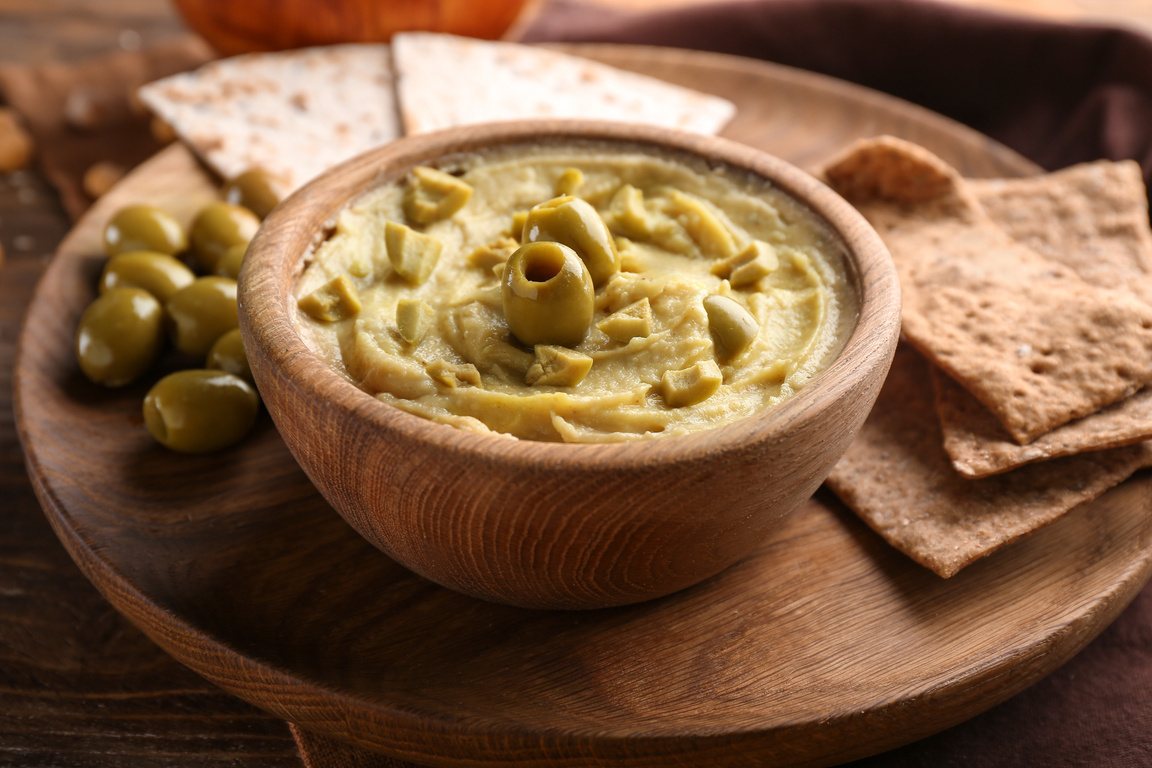
- Prep10 minutes
- CookNo cooking
- MakesServes 4
- Protein6 g
- Energy154 kcal
Method
- Blend Put the chickpeas, tahini, garlic and lemon juice into a blender with a splash of water and blend until smooth.
- Adjust Add water a spoon at a time until it reaches the consistency you want, and season with salt.
- Serve with the crackers, or with cucumber and carrot batons.
For a smoother hummus, use warm chickpeas and slip off the skins before blending. It is tedious and it is the single thing that separates home hummus from the texture you get in a restaurant. Watch the crackers. Multigrain on the packet often means refined flour with a little bran added. Read the ingredients, not the front.
Why this works
Hummus is a chickpea dish, which makes it far less foreign to an Indian kitchen than it sounds. What it does better than most Indian snacks is sit in the fridge ready to eat, which is precisely the property that determines whether a snack gets eaten or a packet gets opened instead.
Where the nutrition actually is
The chickpeas and the tahini are doing the work. A cup of boiled chickpeas carries around 9 g of protein and a good deal of fibre, and tahini, which is ground sesame, adds protein, calcium and healthy fat for very little volume.
The crackers are largely a delivery mechanism. That is fine as long as you know it, and it is why the vegetable batons are a genuinely better option most days.
Read the cracker packet
This is where a healthy snack quietly stops being one. Multigrain on the front of a box frequently means refined wheat flour with a small amount of bran or a few seeds added for the photograph. Turn it over and read the ingredients in order. If refined flour or maida is first and the fibre content is under 5 g per 100 g, you are eating a biscuit with a better name.
Look for a wholegrain flour listed first, and ideally 6 g of fibre or more per 100 g.
Getting the texture right
Home hummus is usually grainy and restaurant hummus is not, and the reason is the chickpea skins. Slipping them off before blending makes a substantial difference. It is genuinely tedious for a cup of chickpeas, perhaps ten minutes, and it is the only real technique in this recipe.
Blending while the chickpeas are still warm also helps, as does adding the water gradually rather than all at once.
For a Jain kitchen
Leave the garlic out. Increase the lemon slightly and add a pinch of roasted cumin powder, which gives you the savoury depth without it. The result is closer to the original than you might expect.
How to eat it and how much
A small bowl with vegetable batons is a proper snack. A large bowl with half a packet of crackers is a meal you did not plan to eat, and it usually arrives an hour before dinner.
It keeps three to four days in the fridge with a thin layer of olive oil over the surface to stop it drying. Beyond that the lemon starts to dull and it is better to make a fresh batch.
Frequently asked questions
How do I make hummus smooth instead of grainy?
Slip the skins off the boiled chickpeas before blending, and blend them while still warm. It takes about ten tedious minutes for a cup and it is the single biggest difference between home hummus and the restaurant texture.
Are multigrain crackers actually healthy?
Often not. Multigrain on the front frequently means refined flour with a little bran added. Read the ingredient list and look for a wholegrain flour first and at least 6 g of fibre per 100 g.
Can I make hummus without tahini?
You can, but you lose a good deal of the character along with some calcium and healthy fat. A tablespoon of white sesame seeds blended in, or a spoon of peanut butter at a push, gets you closer than leaving it out.
Is this Jain friendly?
Not as written, since it uses garlic. Leave it out, add a little more lemon and a pinch of roasted cumin powder, and the result is much closer to the original than you would expect.
How long does it keep?
Three to four days in the fridge. Smooth the surface and pour a thin layer of olive oil over it to stop it drying out. After that the lemon dulls and it is worth making fresh.
This recipe is general nutrition education, not a prescription. Portions and ingredients may need adjusting for kidney disease, allergies or a condition you are being treated for. Reviewed by Jinal Vora.
Cook next
More from the kitchen